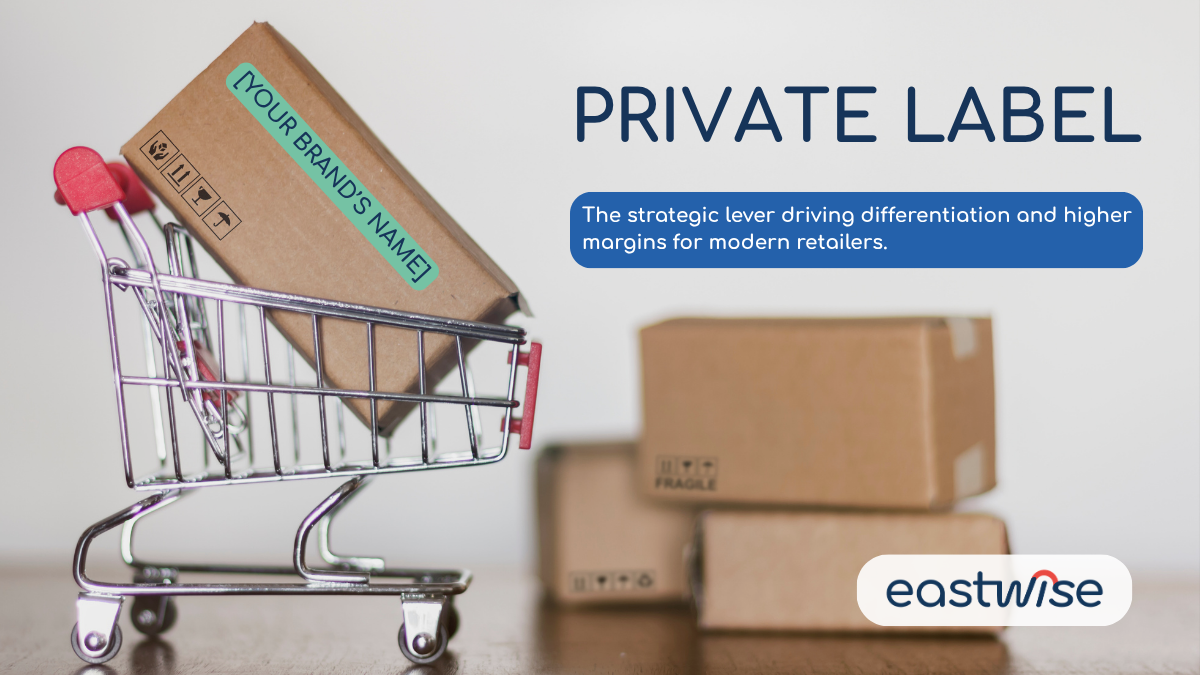
Private label (also known as own brand or private brand) has become one of the most powerful growth levers for distributors and retailers looking to differentiate their offering and improve profit margins.
Thanks to experienced manufacturing partners and global sourcing networks, companies can now launch a private label quickly without owning a factory.
However, a successful private label project is not just about choosing the right product. It requires a structured and disciplined approach, combining product strategy, supplier selection, regulatory compliance, and quality control
Below are the 9 essential steps to build a strong, sustainable private label.
1. Define Your Brand Strategy
Before sourcing any product or supplier, it is critical to clearly define your brand strategy
Key questions to address include:
- Who is your target customer?
- What specific need does your product meet?
- How will your brand differentiate itself in the market?
- What is your price positioning?
Creating a private label is more than simply putting your logo on an existing product. It is about building a clear value proposition and a strong brand identity.
2. Define Your First Product Range
A common mistake is trying to launch too many products at once.
The most effective approach is to:
- Start with a limited product range
- Test the market
- Analyze customer feedback
- Gradually expand the assortment.
This strategy reduces risk and optimizes initial investment.
3. Choose the Right Manufacturing Model
There are several industrial manufacturing models available:
- OEM (Original Equipment Manufacturer): Products are manufactured according to your exact specifications.
- ODM (Original Design Manufacturer): Products are designed by the manufacturer and then customized under your brand.
The right choice depends on your budget, level of customization, and speed‑to‑market requirements.
👉 Learn more: OEM vs ODM
4. Select the Right Suppliers
The success of a private label project depends largely on supplier selection.
Key evaluation criteria include:
- Production capacity
- Export experience
- Industrial reliability
- Customization capabilities
- Ability to scale volumes.
Poor supplier selection can lead to delays, quality issues, or significant cost overruns
👉 Learn more: 10 questions to ask a new supplier in Asia
5. Product Development and Sampling
Before mass production, several steps are essential:
1️⃣ Technical specifications definition
2️⃣ Material selection
3️⃣ Packaging development
4️⃣ Prototype creation
5️⃣ Sample validation
6️⃣ Production preparation
This phase is critical to securing final product quality
6. Design Compliant and Differentiated Packaging
Packaging plays a central role in the success of a private label brand.
It must:
- Reflect brand identity through logo and color codes
- Attract consumers at the point of sale
- Comply with regulatory requirements
Labels must include all mandatory information, such as origin, composition, warnings, or required pictograms.
7. Implement Rigorous Quality Control
Quality control is a cornerstone of any private label strategy.
Your brand’s credibility depends directly on product consistency and reliability.
Best practices include:
- Pre‑production inspections
- In‑process quality control
- Final inspection before shipment
At EASTWISE, QA/QC teams conduct on‑site factory inspections to prevent defects before products are shipped.
👉 Learn more: Quality Services
8. Launch and Scale Your Private Label Brand
Once the first production run is completed, the focus should be on:
- Analyzing sales performance
- Improving products
- Strengthening supplier relationships
- Gradually expanding the product range.
A private label brand is a long‑term, scalable project that evolves over time.
9. Common Mistakes to Avoid
Many private label projects fail due to common pitfalls:
- Poor supplier selection
- Insufficient product specifications
- Lack of quality control
- Regulatory non‑compliance
A structured, methodical approach helps minimize risk and ensure long‑term success.
10. Why Build Your Private Label With EASTWISE?
Creating a private label brand can become a powerful growth driver provided every step of the process is properly managed.
With over 20 years of expertise in sourcing and supply chain management in Asia, EASTWISE supports companies with:
- Supplier sourcing and qualification
- Product range development
- Quality control
- Logistics and supply chain management
Our mission: to secure your production and accelerate the launch of your private label brand.
👉 Looking to launch your own private label or expand your product range?
Contact our team to discuss your project.